Various Applications of Sodium Dodecyl Sulfate

LIGNIN, ALKALI
Unveiling the Wonders of Lignin: A Comprehensive Exploration
24/02/2025
polymers
Catalysts, Additives and Auxiliaries for Polymers
28/05/2025

About Sodium Dodecyl Sulfate

Sodium dodecyl sulfate (SDS) or sodium dodecyl sulfate (SLS), sometimes written as sodium laurel sulfate, is an organic compound with the molecular formula CH3 (CH2) 11OSO3Na and the structural formula H3C – (CH2) 11-O-S (=O) 2-O-Na+. It is an anionic surfactant used in many cleaning and hygiene products.

This compound is the sodium salt of a 12 carbon organic sulfate. The combination of its hydrocarbon tail and polar “head group” endows the compound with amphiphilic properties, making it suitable for use as a detergent. SDS is also a component of a mixture made from cheap coconut oil and palm oil. SDS is a common ingredient in many household cleaning, personal hygiene and cosmetics, pharmaceuticals and food, as well as industrial and commercial cleaning and product formulations.

Table of Sodium Dodecyl Sulfate

Sodium Dodecyl Sulfate

Sodium Dodecyl Sulfonate and Sodium Dodecyl Sulfonate

The confusion and misuse of the two are somewhat common, and both belong to anionic surfactants, abbreviated as SDS in English

Sodium dodecyl sulfate (SDS), also known as sodium laurylsulfate (SLS), is a sulfate salt with a molecular weight of 288.38. It is a white or pale yellow crystalline substance that is highly soluble in water

Sodium dodecyl sulfonate (SDS), a sulfonic acid salt with a molecular weight of 272.38, differs structurally from sodium dodecyl sulfate in that it has one less oxygen atom and a carbon atom directly connected to the sulfur atom.

About Surfactants

Surfactants are substances that can significantly change (usually reduce) the interfacial tension of liquids or the interfacial tension between two phases. The molecules contain both hydrophilic polar groups and hydrophobic non-polar groups. In liquids, they tend to concentrate on the interface between the liquid and another phase, forming a thin molecular film to reduce tension, thereby wetting, emulsifying, dispersing, and foaming. There are many types, mainly anionic, cationic, and non-ionic. 

Anionic surfactants form anions with hydrophobic groups in water, such as sodium dodecyl sulfate, sodium alkyl sulfonate, sodium alkylbenzene sulfonate, etc.; cationic surfactants form cations with hydrophobic groups in water, such as quaternary ammonium salts, etc.; non-ionic surfactants do not form ions in water, and their hydrophilic parts generally contain hydroxyl groups, such as polyoxyethylene alkylphenol ethers, etc. In addition, there are amphoteric surfactants. They are widely used as detergents, wetting agents, emulsifiers, dispersants, foaming agents, etc.

Sodium lauryl sulfate is an anionic surfactant, mainly used as an emulsifier, fire extinguisher, foaming agent and textile auxiliaries, electroplating additives, and also as a foaming agent for toothpaste and pastes, powders, and shampoos. In clinical transdermal medication, the rate of transdermal penetration of some drugs does not meet the treatment requirements due to the barrier effect of the stratum corneum. Therefore, finding methods to improve the transdermal absorption of drugs will help select drugs for transdermal administration and promote the development of transdermal administration. The surfactant sodium lauryl sulfate is often used as a transdermal absorption enhancer to promote the transdermal absorption of drugs. Our results show that due to the action of sodium lauryl sulfate, the membrane structure of the stratum corneum lipids is destroyed and accompanied by the formation of cavities, thereby increasing the permeability of the epidermis, which will be beneficial to the transdermal absorption of drugs.

Application of Sodium Dodecyl Sulfate

Cleaning and hygiene

SDS is mainly used as a laundry detergent and has multiple cleaning purposes. It is an efficient surfactant that can be used for any operation that requires the removal of oily stains and residues. For example, in industrial products such as engine degreasers, floor cleaners, and car exterior cleaners, the concentration of SDS is relatively high.

It is an ingredient in the formula of hand sanitizer, toothpaste, shampoo, shaving cream and bubble bath, because it has the ability to produce foam, the characteristics of surface activity, and some thickening effects.

Food Additive Standards

Food additives
Sodium dodecyl sulfate, synonymous with sodium dodecyl sulfate (SLS), is considered a recognized safe food ingredient (GRAS) according to the US Food and Drug Administration (21 CFR 172.822). It is used as an emulsifier and stirring aid. As an emulsifier in egg whites, federal regulations in the United States require that its content in solid egg whites should not exceed 0.1%, and its content in frozen or liquid egg whites should not exceed 0.0125%; As a stirring agent for preparing marshmallows, its content should not exceed 0.5% of the weight of gelatin. According to reports, SLS will temporarily reduce sweetness.

The Importance of Safety Data Sheets: Key Information for Health and Safety

Laboratory applications
SDS is used in cleaning procedures and is typically used as a component for cell lysis during RNA or DNA extraction processes, inhibiting the activity of nucleases (enzymes that degrade DNA), protecting the integrity of isolated genetic material, and in SDS-PAGE technology for protein denaturation during electrophoresis preparation.

In SDS-PAGE, the compound denatures the protein by breaking non covalent bonds, causing the protein molecule to lose its natural conformation and shape. By binding to proteins in a ratio of one SDS molecule for every two amino acid residues, negatively charged detergents give all proteins a similar net negative charge, resulting in similar charge to mass ratios. In this way, the difference in the mobility of polypeptide chains in gel can be entirely attributed to their length, rather than their natural charge and shape. This separation based on the size of polypeptide chains simplifies the analysis of protein molecules.
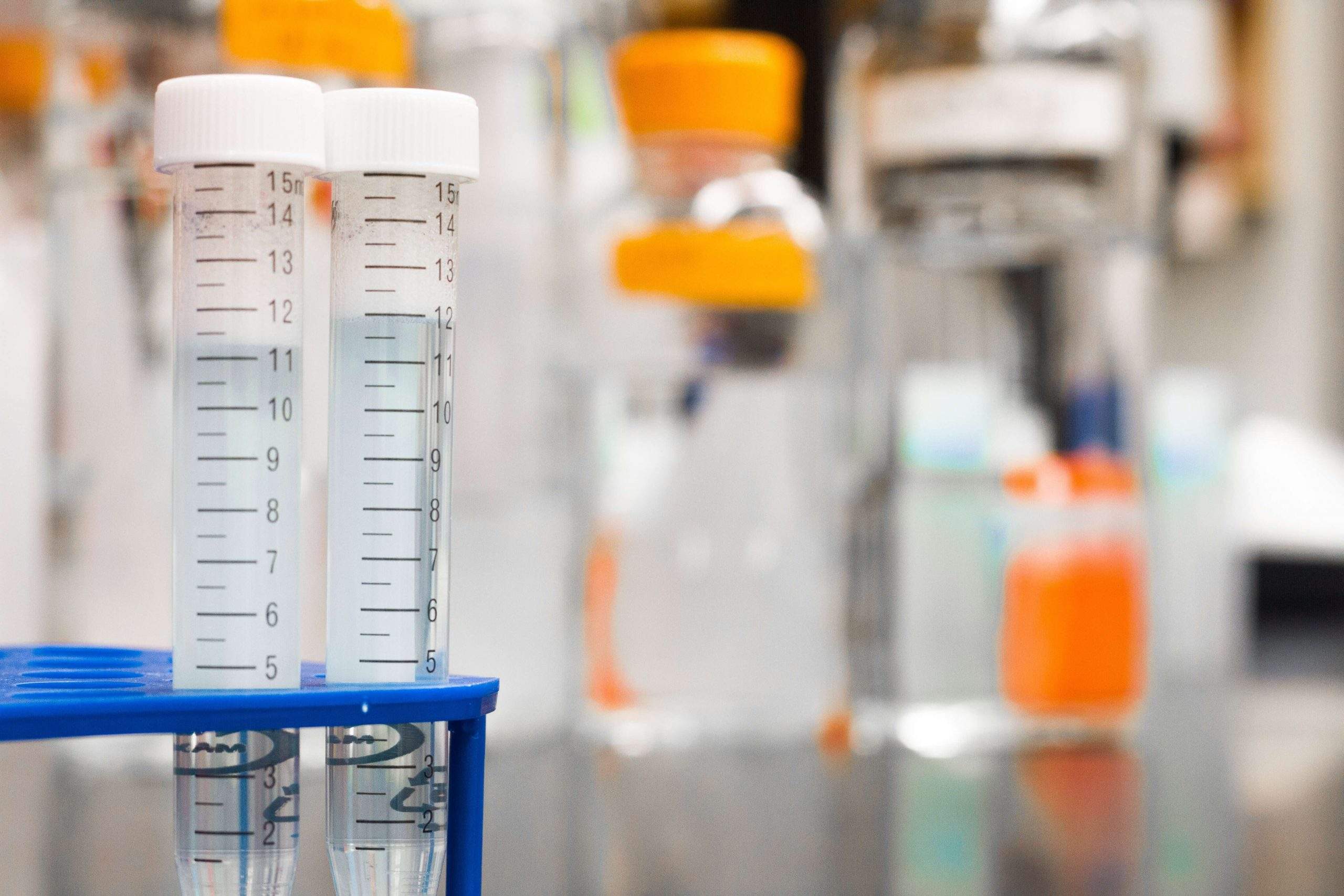
Chemical & Pharma Safety: SDS Explained | Compliancexl

Pharmaceutical applications
Sodium lauryl sulfate (SLS) is an ionic solubilizer and emulsifier widely used in the pharmaceutical field, which is suitable for liquid dispersions, solutions, emulsions and microemulsions, tablets, foam agents, as well as semi solid preparations such as creams, lotions and gel. In addition, SLS can improve the wettability of tablets and provide lubrication during the production process. The brand names of pharmaceutical grade SLS include Kolliphor SLS and Kolliphor SLS Fine.

What is an MSDS or SDS: Safety Data Sheets in Pharmaceutical

Other applications
SLS technology is used as an improved brain tissue preparation technique for optical microscopy research. The technology called CLARITY was developed by Karl Deisseroth and his colleagues at Stanford University. Its principle is to inject acrylamide solution into brain tissue, allowing the large molecules (proteins, nucleic acids, etc.) in it to bind; Then thermal polymerization is carried out to form “brain hydrogel” (a kind of reticular structure scattered throughout the tissue, used to fix macromolecules and other structures in brain tissue); Finally, SDS is used to remove lipids to eliminate light scattering while minimizing protein loss, resulting in a quasi transparent state of brain tissue.

Like sodium dodecylbenzenesulfonate and Triton X-100, SDS aqueous solution is also commonly used for dispersing or suspending nanotubes, such as carbon nanotubes.

Other purposes
SLS has been proposed as a potentially effective local microbicide for vaginal use to inhibit and potentially prevent infections with various enveloped and non enveloped viruses, such as herpes simplex virus, HIV, and Semliki forest virus.

It has been proven that the liquid film formed by SDS in water can serve as an unusual particle separator. This device acts as a reverse filter, allowing large particles to pass through while capturing smaller particles.

Safety

Research has shown that low concentrations of SDS do not cause cancer. Like all cleaning agents, sodium dodecyl sulfate can remove oil from the skin and may cause skin and eye irritation. Studies have shown that prolonged exposure (over one hour) to sodium dodecyl sulfate can irritate facial skin in young people. For people with chronic skin allergies, SDS may exacerbate skin problems, with some people being more affected than others.

  • Oral problems
    SDS is a common ingredient in toothpaste because of its low cost, minimal impact on taste, and ability to act as a foaming agent.
  • Variable speed transducer
    SDS can reduce the content of volatile sulfur-containing compounds (VSC) in the mouth that cause bad breath. A series of small-scale crossover studies (25-34 patients) supported the effectiveness of SLS in reducing VSC and its positive impact on bad breath, although these studies are generally considered to reflect technical challenges in controlling study design variables.
  • Dry mouth
    The main research results of Irma Rantanen’s team at the University of Turku in Finland indicate that pastes containing SLS are more likely to cause dry mouth (dry mouth syndrome) than their proposed alternative. However, a 2011 Cochrane review of these studies and the broader field concluded that “there is no strong evidence… that any local therapy can effectively alleviate dry mouth symptoms.
  • Mouth ulcer
    Multiple studies on the effects of SDS in toothpaste on oral ulcers (more specifically oral ulcers or “sores”) (commonly referred to as sores or white sores) have raised safety concerns. According to Alessandro Villa from the National Health Service (NHS) in the UK and the Miami Cancer Institute, SLS is a cause of oral ulcers. As Lippert pointed out in 2013, “commercially available toothpaste rarely contains surfactants other than SLS [SDS],” and leading manufacturers continue to use SDS to formulate their products. According to Allesandro Villa from the Miami Cancer Institute, there is a theory that SLS can damage the mucous protective layer covering the oral cavity.

References

Sodium Dodecyl Sulfate CAS 151-21-3 | Look Chemical

 “Sodium Lauryl Sulfate – National Library of Medicine HSDB Database”. toxnet.nlm.nih.gov. 

Wilma F. Bergfeld, Chair, and the Cosmetic Ingredient Review (CIR) program Expert Panel (2005). “Final report on the safety assessment of sodium lauryl sulfate and ammonium lauryl sulfate” (PDF). Int. J. Toxicol.