



Chemical Additives——Polyacrylamide

Silica Gel | Desiccant, Moisture Absorber, Adsorbent
13/08/2025
What are the Common Optical Brightener
11/10/2025- Solubility in Water: Under rapid mechanical stirring, it readily dissolves in cold water to form a transparent, viscous solution. Increasing temperature does not affect its solubility; dissolution is only limited when the solution concentration reaches a high viscosity.
- Solubility in Other Solvents: It has a solubility of over 1% in solvents such as glycerin, ethylene glycol, formaldehyde, glacial acetic acid, and lactic acid (which can be used as plasticizers for polyacrylamide coating). It swells but does not dissolve in solvents such as propionic acid and propylene glycol, and is insoluble in solvents such as acetone and hexane.
- Stability: It is moderately hygroscopic. Powdered polyacrylamide can be stored for long periods of time unless exposed to extremely high temperatures. Liquid polyacrylamide, at concentrations greater than 17%, can be stored for over a year without significant change in solution viscosity. It maintains good stability within the pH range of 3 to 9; at higher pH values, the viscosity gradually increases.

- Compatibility: At commonly used concentrations, polyacrylamide is compatible with most natural or synthetic water-soluble resins, most latex systems, and most salts. It is also readily miscible with nonionic, cationic, and anionic surfactants, though some surfactants may affect its viscosity.
- Viscosity: The viscosity of a polyacrylamide solution is linearly related to its molecular weight. Furthermore, higher temperatures result in lower viscosity.
- Intrinsic Viscosity: As molecular weight increases, its intrinsic viscosity increases.
- Ionicity: Polyacrylamide with carboxyl groups on the long chain is anionic, while polyacrylamide with amine groups is cationic. Polyacrylamide with carboxyl or amine groups on the long chain is susceptible to flocculation when exposed to aluminum ions.
- Retention: Polyacrylamide exhibits similar retention trends to soap-based rosin size, but the former has a higher retention rate.
- Toxicity: Polyacrylamide itself is non-toxic, but unpolymerized monomers (those with double bonds) can be toxic to humans. Therefore, a certain amount of sodium bicarbonate should be added at the end of production to remove residual monomers.
Polyacrylamide is a water-soluble linear polymer formed by the free radical-initiated polymerization of acrylamide monomers. It exhibits excellent flocculation properties and can reduce frictional resistance between liquids. It can be categorized by ionic properties: anionic, cationic, nonionic, and amphoteric.
Both anionic and cationic polyacrylamide possess the properties of high-molecular-weight organic polymers.
Both are often used as flocculants in wastewater treatment, but their mechanisms of action and effectiveness differ.
Appearance Differences
Both anionic and cationic polyacrylamide exist in white granular forms and emulsions. The white granular forms are nearly indistinguishable to the naked eye, but the emulsions are different: anionic emulsions are whitish, while cationic emulsions have a faint blue hue.
Molecular Weight Differences
- The molecular weight of anionic polyacrylamide ranges from 4 million to 25 million.
- The molecular weight of cationic polyacrylamide ranges from 7 million to 12 million.
Difference in indicators
- The main indicators of anionic polyacrylamide are molecular weight and degree of hydrolysis.
- The main indicators of cationic polyacrylamide are ionicity and molecular weight.
Difference in price
The price of anionic polyacrylamide is lower than that of cationic polyacrylamide, and the higher the molecular weight, the higher the price.
Distinction being used
Use of anionic polyacrylamide
- Generally used as a flocculant: for put on hold particles, rugged, high focus, particles with positive fee, and sewage with neutral or alkaline pH worth, due to the fact that the anionic polyacrylamide molecular chain includes a certain quantity of polar function, it can adsorb put on hold solid bits in the water, to ensure that the bits develop bridges to develop big floccules. For that reason, it accelerates the sedimentation of particles in the suspension, has an extremely apparent result of information of the option, and advertises filtering. This item is generally made use of to treat inorganic wastewater, such as chemical commercial wastewater, waste liquid treatment; local sewage therapy, tap water market, high turbidity water filtration, information, coal cleaning, mineral processing, metallurgy, steel industry, zinc, aluminum processing market, electronic devices sector and other water treatment.
- It is widely used in the petroleum sector, oil production, piercing mud, waste mud therapy, water directing prevention, friction decrease, recovery price renovation, and tertiary oil recovery.
- It is utilized as a sizing agent for fabrics, with stable slurry efficiency, less slurry loss, reduced fabric damage price, and smooth fabric surface area.
- It is used in the papermaking industry to improve the retention price of fillers, pigments, etc to decrease the loss of raw materials and air pollution to the environment; second of all, it boosts the stamina of paper (including completely dry stamina and wet toughness). On top of that, the use of PAM can likewise enhance the tear resistance and porosity of paper to improve aesthetic and printing residential properties. It is likewise made use of in food and tea packaging paper.
- It can be made use of as a glue in the scent making process. The incense made is attractive in appearance and high in stamina.
Uses of cationic polyacrylamide
It is favorably charged in both acidic and alkaline media. It is usually reduced in molecular weight than anionic or non-ionic polyacrylamide. Its sewage information efficiency is primarily attained through fee neutralization. This sort of flocculant primarily flocculates negatively charged fragments, supplying turbidity removal and decolorization. Cationic polyacrylamide is a number of times or even loads of times a lot more effective than anionic polyacrylamide, nonionic polyacrylamide, or inorganic salts in dealing with natural wastewater from sources such as alcohol plants, monosodium glutamate plants, sugar refineries, meat handling plants, drink factories, printing and dyeing plants, and local sewage, as these wastewaters generally bring an adverse charge.
Cationic polyacrylamide is suitable for specialized sludge dewatering equipment such as high-speed centrifuges, belt filter presses, and plate and frame filter presses. It features fast and crude floc formation, outstanding compression and shear resistance, superb cluster, and simple splitting up from the filter fabric. This leads to high dehydration rates, reduced filter cake fluid web content, and reduced use, considerably decreasing individual costs. It can also be used to separate and cleanse suspended matter from liquids such as hydrochloric acid and medium-concentration sulfuric acid.
Why is polyacrylamide widely accepted in coal chemical wastewater treatment, and why major wastewater treatment plants and chemical industries prefer to use it for wastewater treatment? This is due to its inherent advantages. What are the advantages of polyacrylamide’s widespread use?
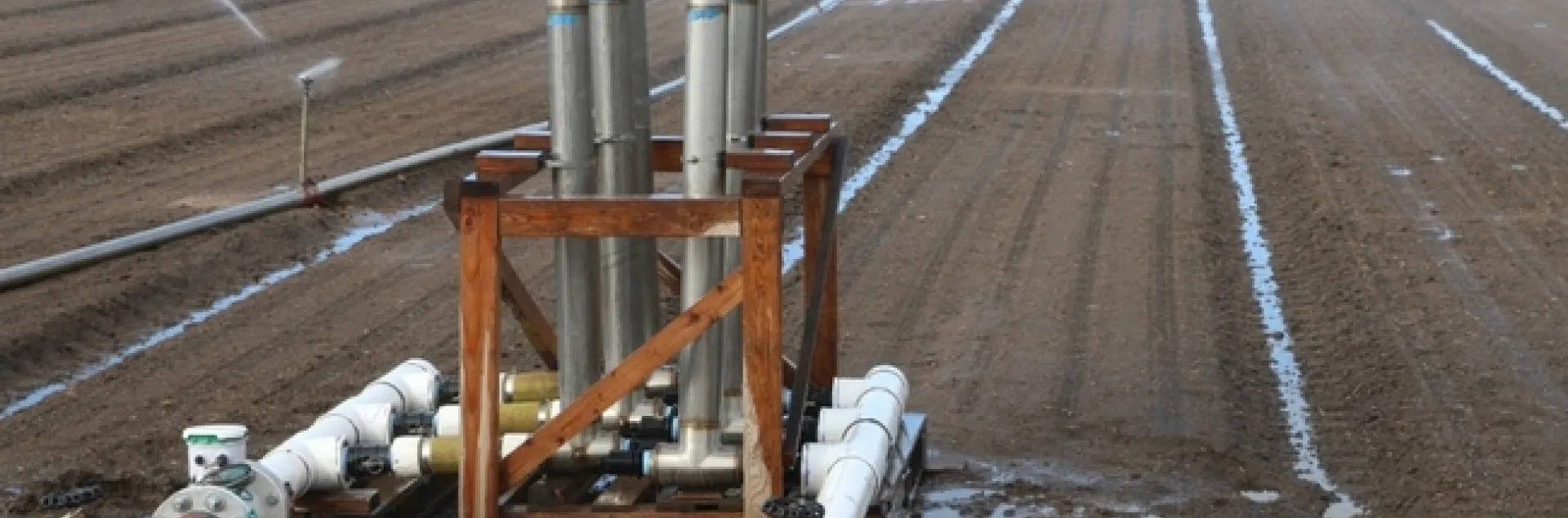
Advantage 1: Low Cost. When treating wastewater, cost reduction is paramount. Although polyacrylamide is expensive, its usage is very low. For treating river wastewater, the dosage is 7-10g per ton of wastewater, and for treating one ton of sludge, only 3-6kg of PAM is required. What other flocculant can achieve this? It can be said that polyacrylamide is currently the most cost-effective agent for treating coal washing wastewater. The low dosage of polyacrylamide also saves transportation costs, and there is no need to worry about large quantities of stockpiles tying up warehouses.
Advantage 2: Effectiveness. How effective is polyacrylamide in treating wastewater? Polyacrylamide in wastewater treatment effectively agglomerates and settles impurities in wastewater, accelerating wastewater treatment efficiency and increasing daily wastewater treatment capacity.
Advantage 3: Versatile Applications. Polyacrylamide can be classified as anionic, cationic, and nonionic based on its ionic properties. It can be used to treat wastewater from a variety of industries, including metallurgy and mining, food processing, oil extraction, alcohol production, papermaking, and textiles, though the specific type used varies.
Advantage 4: Ease of Use. Polyacrylamide requires minimal usage and is easy to transport. Dosing and use is straightforward, as long as you follow the instructions. First, conduct a test to determine the appropriate dosage of polyacrylamide. Then, fill the mixing tank halfway with water and begin stirring slowly. Slowly add the reagent during this process. Once the polyacrylamide is completely dissolved, add the remaining halfway of water and the solution is ready for use. However, it’s important to note that the polyacrylamide solution must be used immediately after preparation. Avoid prolonged storage, as this can lead to degradation and loss of effectiveness. Prepare it whenever needed.


